
In a nutshell …
The lap timer uses an infra-red (IR) beam across the race track, and detects bikes breaking it. Timing events are sent over WiFi, the user sees lap times on an Android phone / tablet app.


Power
The transmitter and receiver charge through a Micro-USB socket on their base. An internal LED glows red while charging, blue when charged. It’s visible through the clear case of the transmitter, but tricky to see through the charging slot on the receiver.
The 1000mAh internal battery of the devices has been tested for four hour’s operation in the lab. Plenty for race night or training day, if they’re charged.
The devices can charge and/or work from any USB power source – USB from a mains adaptor, laptop or phone, or most usefully a USB external battery. A 5000mAh lipstick battery is typically good for an entire day’s events.
Mounting
The devices should be mounted so that the leading edge of a bike’s tyre breaks the IR beam. About 30cm / 12″ above the track is a good compromise for 26″ wheeled bikes and smaller 24″ and 20″ kids’ bikes.
Remember that kerbs are usually above the track height when mounting.
It will usually be easier to mount the devices a few cm in front of cycle speedway start tapes, especially if using a portable mounting like cones. See ‘Calibrating’ further down for more discussion.
There are a few cradles available:
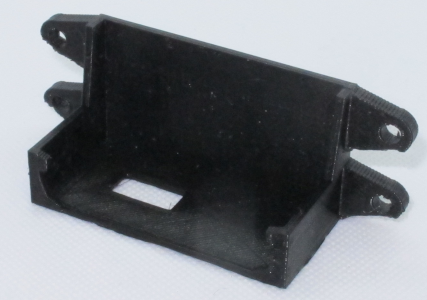
Use the top two holes for 4mm bolt or screw mounting. Use all four holes for cable tying, e.g. to a fence.
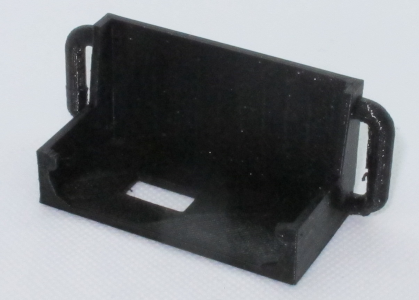
An option for thicker cable ties, velcro or webbing..

Two angled brackets with a slot for velcro or webbing, to attach the cradle to a traffic cone or similar
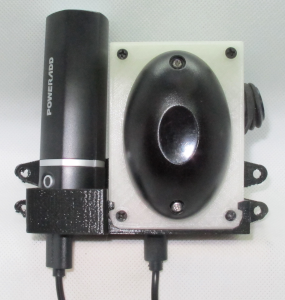
The cradles can be made with a carrier for a lipstick USB battery. The photo shows a 5000mAh battery, which will power a device for a day.

WiFi setup
You’ll need a WiFi network for the receiver device to send to, and the Android app to receive from.
If you don’t already have WiFi available then any WiFi hub or router will do, for instance an old Netgear DG834 will be around £10-15 off eBay.
To program the WiFi network name (SSID) and password in to your receiver:
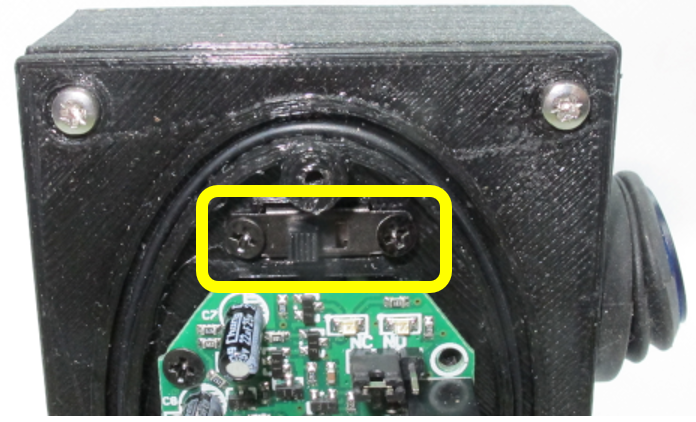
Unscrew the dome on the front. You will see a switch, as in the photo.
Turn on the receiver. Move the switch to the right for a second, then move it back to the left.
Apologies that this step is not elegant.
I’ll replace the switch with a push button, when I’ve found one that will fit.
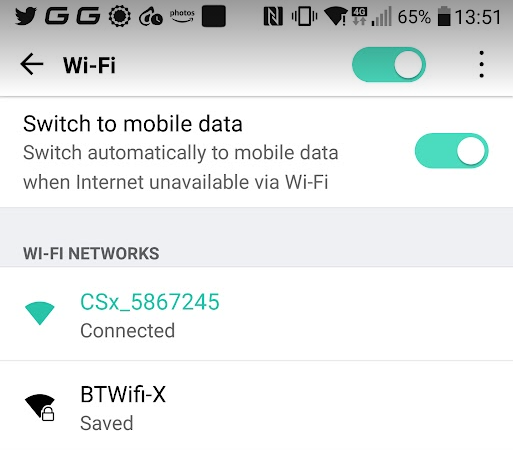
On your phone or other device, search for available WiFi networks. You will find one named “CSx_1234567” (where “1234567” is the actual serial number of the device).
Connect to it
Open a browser to “192.168.4.1”
.
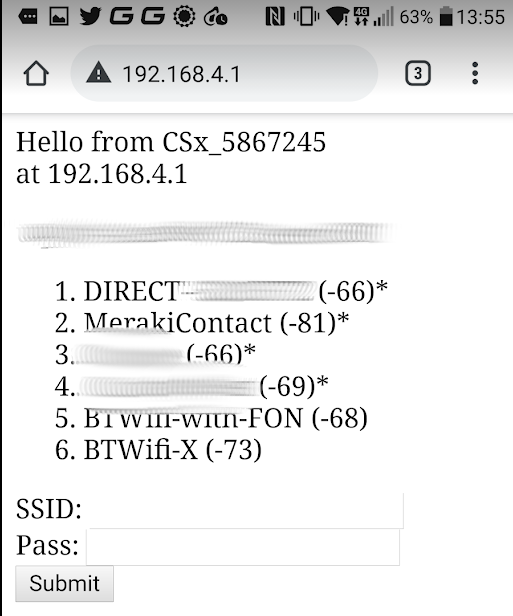
The web page from the receiver will show you WiFi networks it has detected. This is just for convenience, you can enter the details of a WiFi network not in range if needed.
Enter the network name (aka the SSID) and the password, and press Submit.
The page should reload, confirming the receiver has updated its WiFi credentials.
Turn the receiver off and on to join the WiFi network.
.
.
Downloading the Android app
Android phone / tablets:
<url to download the app>
iPhone / iPad users:
Get a decent phone.
Calibration
jjj
Safety and technical
Do not look directly in to the lens of the transmitter.
Frequency: 1.92KHz
Wavelength: 940nm
Range: 1m to 15m, 30% reduction in poor visibility (rain, dust etc)
The IR transmitter and IR sensor used come from domestic security systems supplied with no license or warning requirements.
Future plans
WiFi hub, so that the lap timer can be used away from a normal plug-in WiFi hub or router. Currently in development:
Web interface, so that multiple viewers can watch the lap times on their phones / tablets / PC’s, both at the track and over the internet.
Scoreboard interface, so that a PC or scoreboard can display information
Multi sensor support, so that you can time intervals at multiple points on the circuit.
Integration with automatic gate release, as installed at Ipswich, that releases the start tapes a random 2-5 seconds after activation (for race rules) or after specified intervals (for training)
Camera integration, to save high frame rate images as bikes cross the line (note, for interest’s sake, the referee’s judgement remains final)
RFID bike identification, so that we can identify bikes and riders in a race, and to reduce lap timing errors when a race leader catches a back marker.